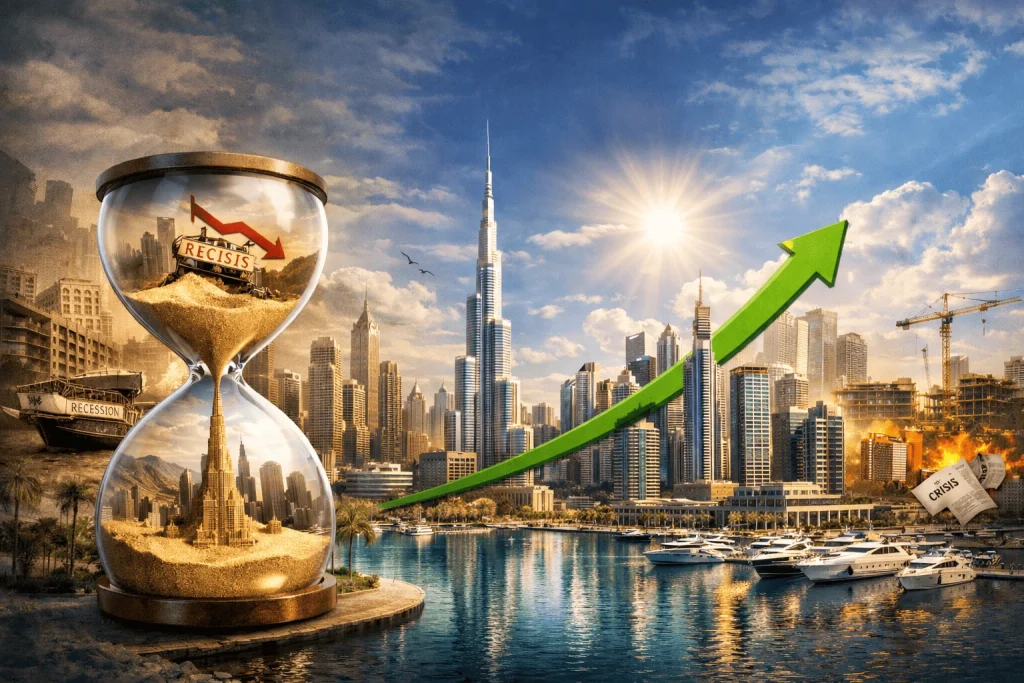
For decades, the Dubai real estate market has been defined by two distinct characteristics: ambitious growth and an uncanny ability to rebound. To the casual observer, the city’s rapid transformation from a desert outpost to a global metropolis might seem precarious. However, seasoned investors recognize a recurring pattern of market resilience. Despite global economic shifts, regional fluctuations, and public health crises, Dubai’s property sector has consistently demonstrated a “bounce-back” capability that few other global hubs can match.
For those analyzing long-term investment cycles, understanding this history of recovery is essential. It allows investors to look past the “noise” of short-term headlines and focus on the structural fundamentals that drive the UAE’s economy.
A Proven Track Record: Navigating Global Disruption
Dubai’s modern property landscape was forged in the fires of global volatility. Since the inception of freehold property ownership in 2002, the market has faced several critical “stress tests.”
1. The 2008 Global Financial Crisis
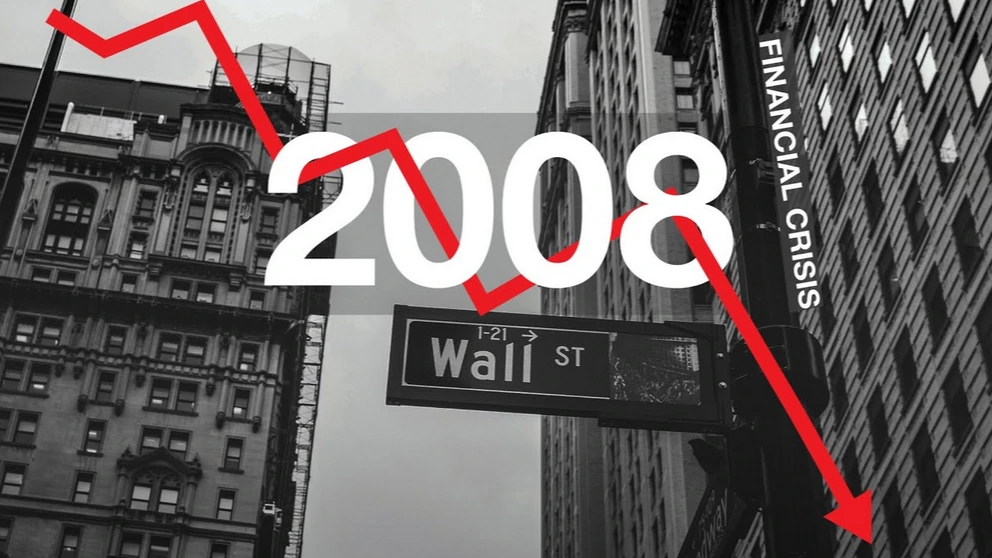
The 2008 crash was a watershed moment. While the correction was sharp, the government’s response was transformative. This period led to the birth of the Real Estate Regulatory Agency (RERA) and the implementation of strict escrow account laws. These regulations moved Dubai from a speculative “wild west” to a transparent, institutionalized market, protecting investor capital for the future.
2. Oil Price Volatility (2014–2016)
When global oil prices dipped, many predicted a regional slowdown. Instead, Dubai accelerated its economic diversification strategy. By reducing its reliance on hydrocarbons and boosting sectors like tourism, aviation, and logistics, the city decoupled its real estate demand from oil revenues. This diversification created a stable floor for property values even when regional neighbors faced fiscal tightening.
3. The COVID-19 Pandemic (2020)

While major global capitals like London and New York remained under lockdown for years, Dubai executed a masterclass in crisis management. By reopening its borders safely and early, it attracted a massive wave of “digital nomads” and high-net-worth individuals (HNWIs). This proactive stance triggered a historic bull run in the luxury villa segment, as global buyers sought the safety and lifestyle of the UAE.
Current Geopolitical Climate: Reality vs. Perception
In 2024 and 2025, regional tensions have once again dominated global news cycles. Naturally, some international investors express caution. However, the data on the ground tells a story of absolute stability.
Dubai continues to function as a global “safe haven.” Business operations at Dubai International (DXB) and Jebel Ali Port remain at record levels. The tourism sector is flourishing, and the city’s “flight to safety” status has actually increased the influx of capital from investors looking for a neutral, secure environment to park their wealth. In Dubai, daily life is characterized by safety, luxury, and uninterrupted commerce—a stark contrast to the sensationalism often found in external media.
Real Estate Indicators: Stability in the Numbers
When we analyze the current state of the Dubai property market, the indicators point toward maturation rather than volatility. We are seeing several healthy trends:
- Secondary Market Strength: Unlike previous cycles driven by “off-plan” speculation, the current market is supported by a high volume of secondary market transactions. This means people are buying homes to live in, not just to flip.
- High Rental Yields: Dubai continues to offer some of the highest net rental yields in the world, often ranging between 7% and 12% in prime areas like JVC, Business Bay, and Dubai Hills.
Minimal Panic Selling: Despite global interest rate hikes, there has been no widespread liquidation of assets. Sellers are holding firm, bolstered by the city’s high occupancy rates.
Why Global Capital Stays Committed to Dubai
Why does the world keep choosing Dubai? The answer lies in the structural competitive advantages the UAE government has built over decades:
- The Golden Visa Program: Long-term residency linked to property investment has shifted the investor mindset from short-term gain to long-term belonging.
- Tax-Efficient Environment: With 0% personal income tax and no capital gains tax on property, Dubai remains the most financially attractive hub for wealth preservation.
- World-Class Infrastructure: The “Dubai 2040 Urban Master Plan” ensures that the city’s growth is sustainable, focusing on green spaces, improved transit, and mass housing to accommodate a projected population of 5.8 million.
- Legal Transparency: The digitization of land registry and the use of blockchain for property transactions have made Dubai one of the most transparent markets in the EMEA region.
The Strategic Perspective: Seeing the Cycle
Every mature market moves in cycles. Periods of consolidation are not just inevitable; they are necessary for healthy, long-term growth. They flush out speculators and allow the infrastructure to catch up with demand.
For the savvy investor, market caution is often a signal of opportunity. Historically, those who entered the Dubai market during periods of global uncertainty have seen the highest capital appreciation when the cycle inevitably turned upward.
Final Thoughts
The narrative of Dubai’s real estate market is one of perpetual evolution. The city’s strength lies in its agility, its ability to recognize a challenge, implement a policy to solve it, and emerge stronger. As the city moves toward its 2040 goals, the fundamentals remain rock-solid. History shows that while global winds may blow, Dubai’s foundation is built to withstand them.